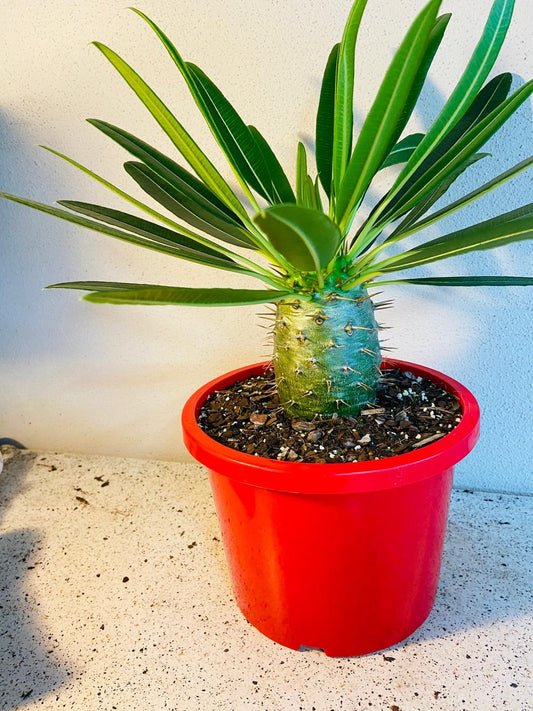
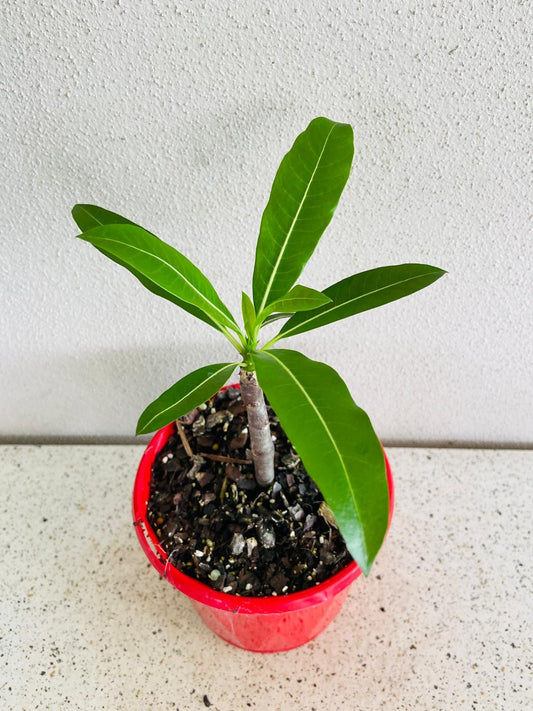
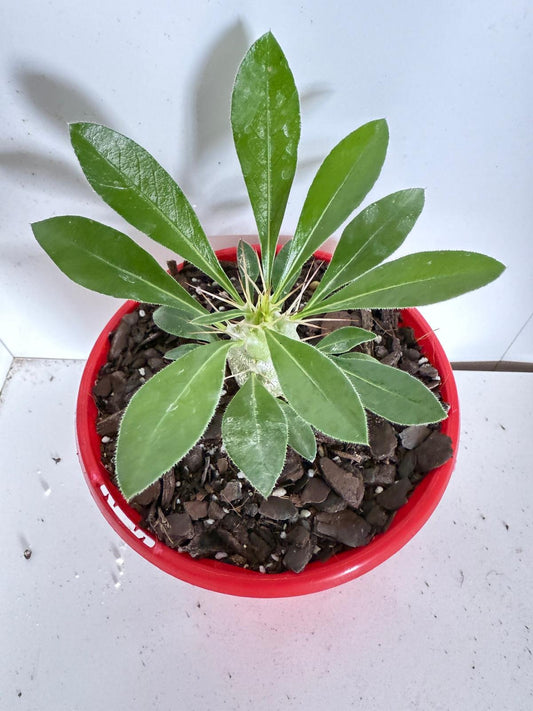
Sculptural spiny plants for bright displays
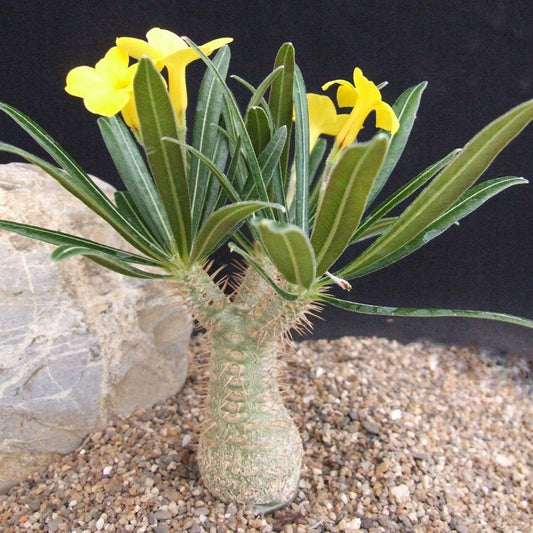
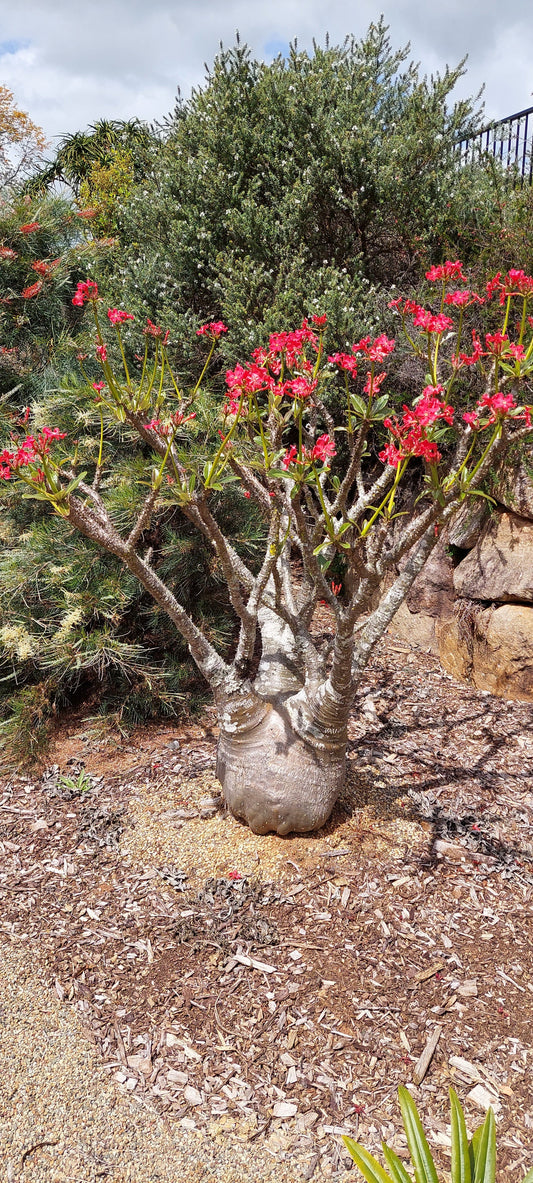
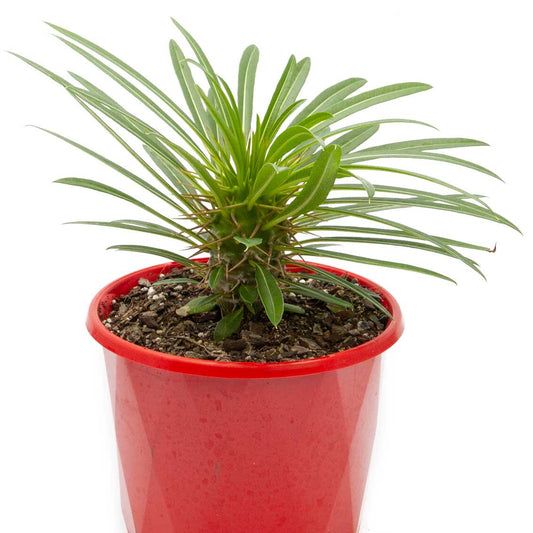
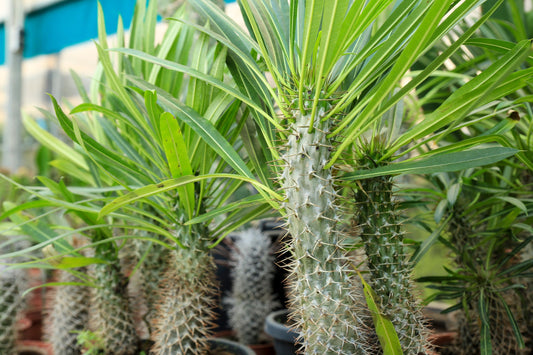
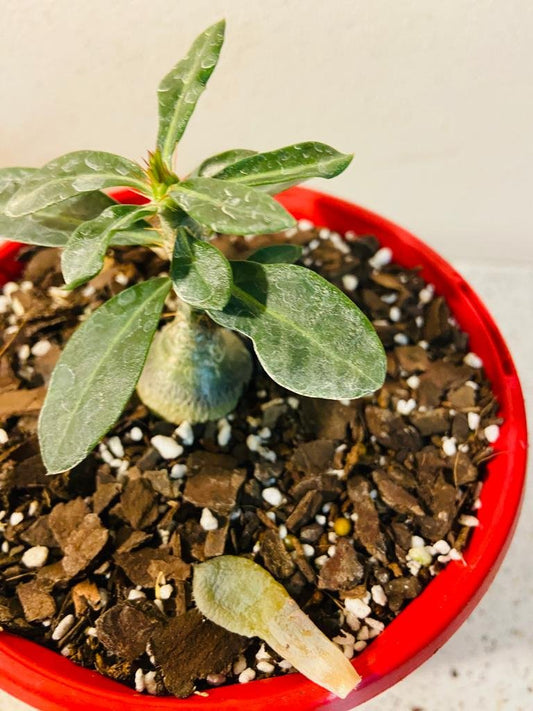
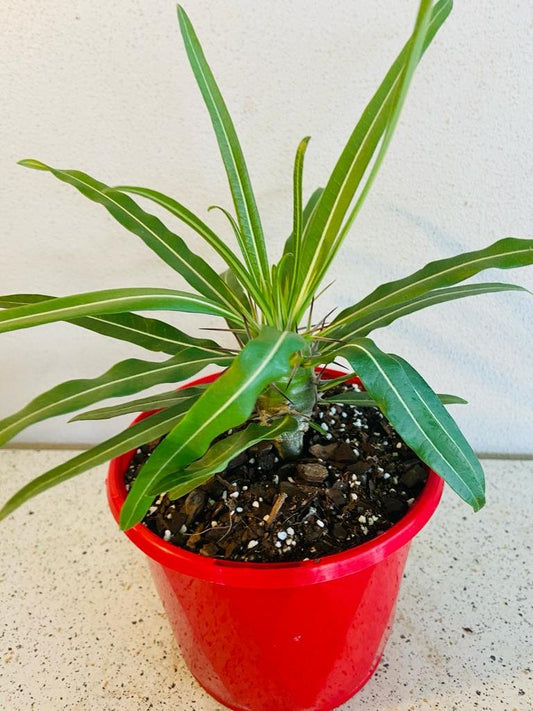
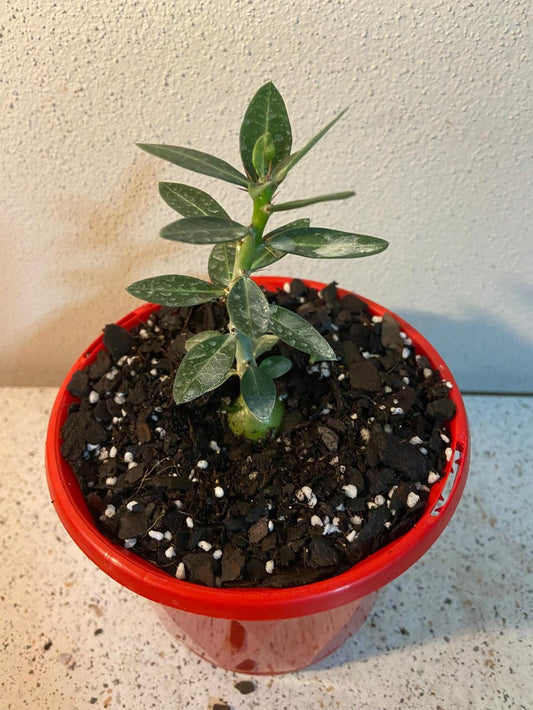
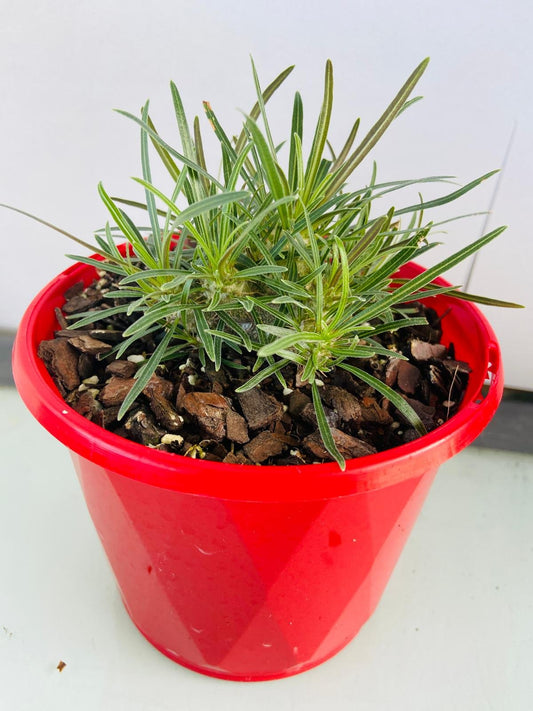
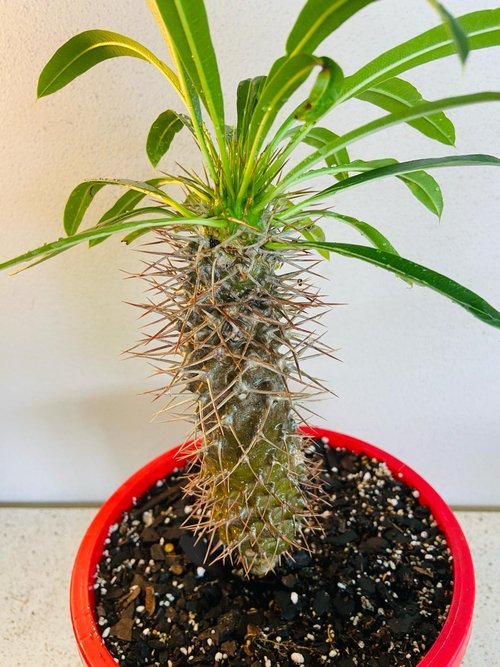
Pachypodium plants have thickened stems that store water, with many species developing a trunk-like or caudex form over time. Their spines and upright growth give them a bold look that sits somewhere between a cactus-style display and a collector caudex plant.
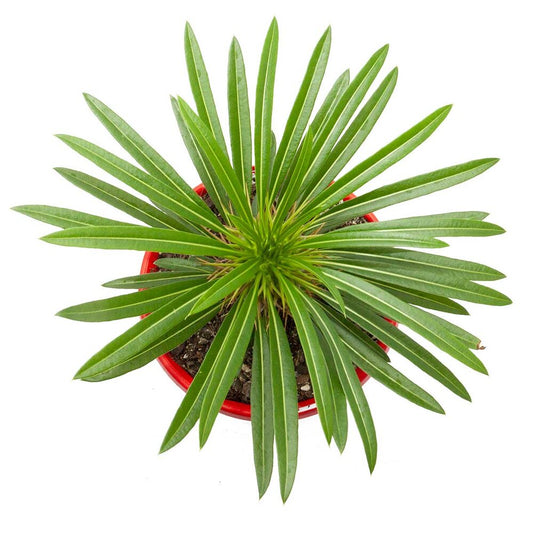
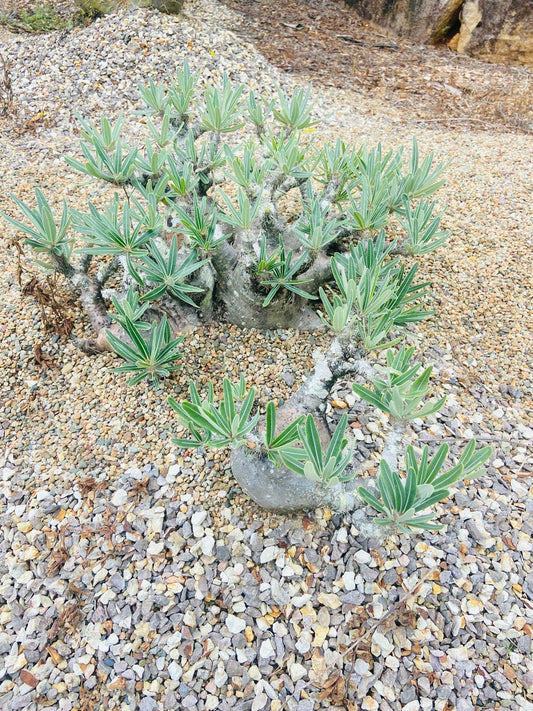
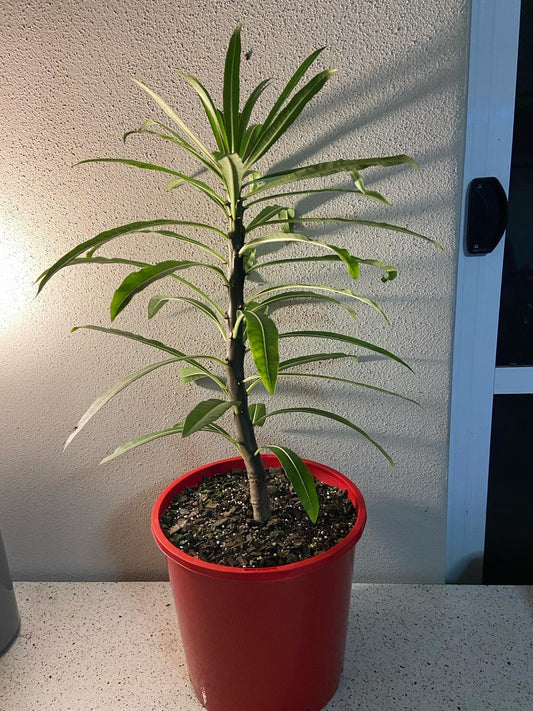
This range is best suited to buyers who want structure, height or unusual form rather than soft leafy fullness. Pachypodium lamerei, often called Madagascar Palm, can bring a taller trunked look, while smaller and rarer species may suit collectors who enjoy slow, characterful growth.
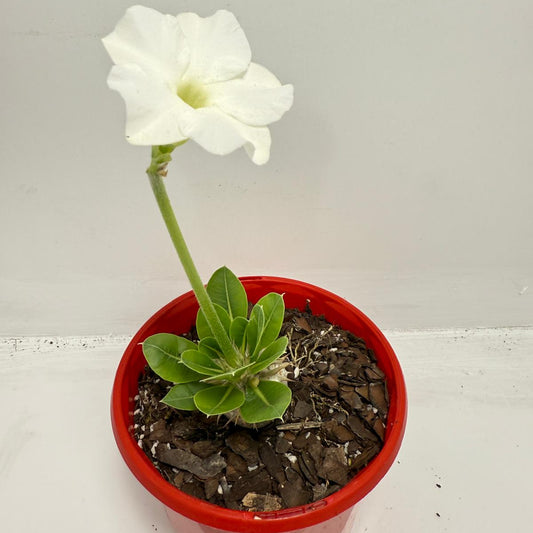
Before ordering, think carefully about placement. Pachypodium plants need bright conditions and free-draining pots, but they also need room around their spines. Some may drop leaves or slow down during cooler periods, so choose them for their trunk and form first, with foliage and flowers as seasonal features rather than constant decoration.
FAQs
Is Pachypodium a cactus?
No. Pachypodium plants can look cactus-like because of their spines and dry-growing habit, but they are not true cacti. They are succulent plants with thickened stems and their own growth style.
Can I grow Pachypodium indoors?
Yes, but only in a very bright and warm indoor position. A sunny window, sunroom or enclosed balcony is more suitable than a shaded shelf or cool room.
Is Pachypodium a good plant for beginners?
Pachypodium is better for buyers with some succulent care confidence. It needs strong light, careful watering, good drainage and safe placement because of its spines.
Will my Pachypodium arrive with leaves or flowers?
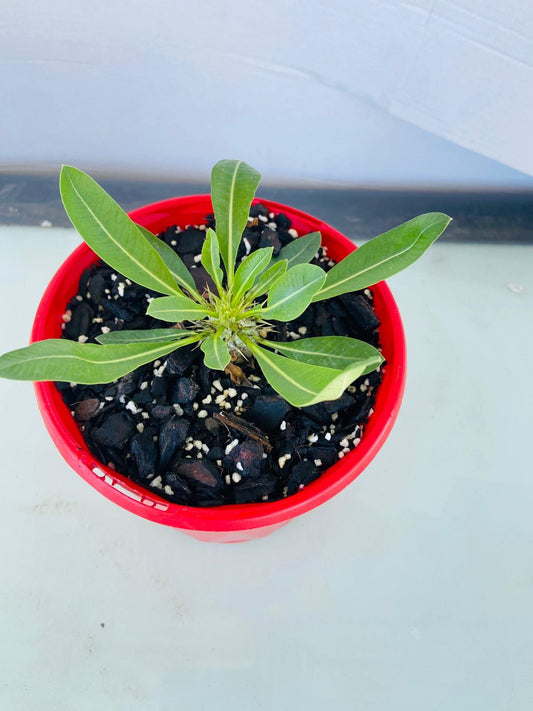
It depends on the plant, season and growing conditions. Some Pachypodiums may arrive with fewer leaves during seasonal slow periods, and flowering should not be expected all year.


 Sold out
 Sold out
 Sold out
 Sold out
 Sold out
 Sold out