Unusual feature plants for warm, bright spots
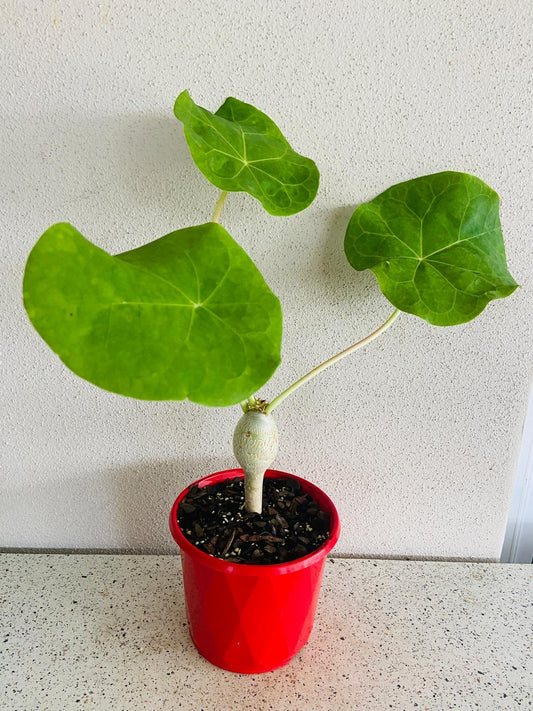
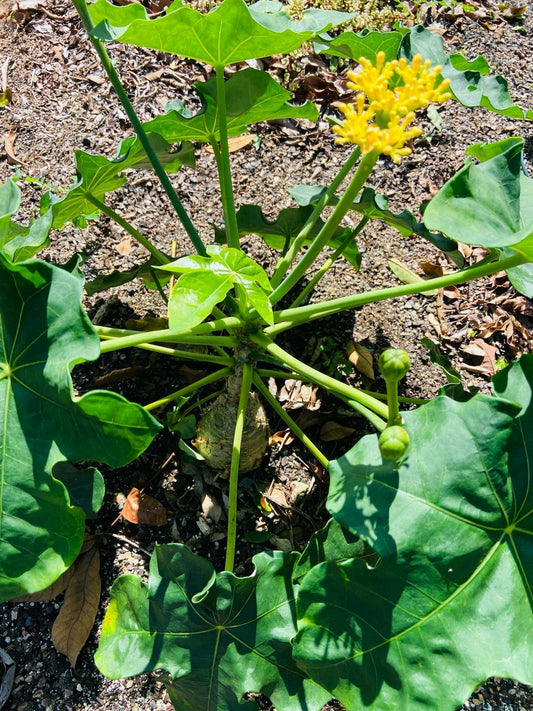
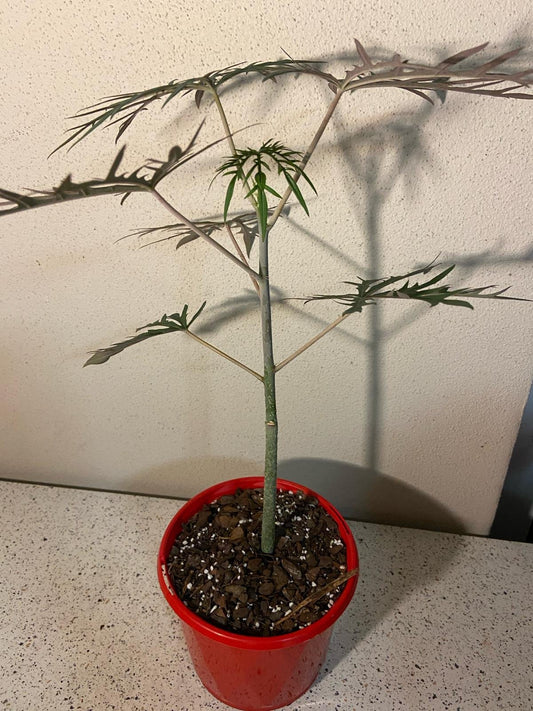
Jatropha plants have a distinctive look that sets them apart from standard succulents. Buddha’s Belly types are especially valued for their swollen base and branching form, while other Jatropha species can bring a more leafy, tropical feel.
This collection is best suited to buyers who enjoy character plants and do not mind seasonal change. Growth, leaf fullness and flowering can vary through the year depending on warmth, light and the plant’s stage of growth.
Before ordering, think carefully about placement. Jatropha plants prefer bright conditions and should be kept in a free-draining pot. They also need careful handling, as sap and seeds can be irritating or toxic, depending on the species. Keep them out of reach of pets and young children.
FAQs
Is Jatropha suitable for indoor growing?
Yes, but only in a very bright and warm indoor position. A sunny window, bright sunroom or enclosed balcony is more suitable than a shaded shelf or cool room.
Will my Jatropha arrive with flowers?
It may not arrive in flower. Flowering depends on the plant, season, maturity and growing conditions, so buyers should choose Jatropha mainly for its swollen trunk and unusual form.
Is Jatropha a good plant for beginners?
Jatropha is better for buyers with some plant care confidence. It needs warmth, strong light, careful watering and safe placement away from pets and young children.
What should I consider before buying Jatropha?
Make sure you have a bright, warm position and a pot with good drainage. Also consider safety, as Jatropha sap and seeds can be irritating or toxic if handled or ingested.


 Sold out